

Carpet Buying Tips: What to Know Before Replacing or Installing New Carpet
Are you thinking about replacing your carpet or installing new carpet in your home? With so many options available, buying carpet can feel overwhelming. Before you make a big investment, we gathered practical carpet buying tips to help you choose the right carpet for your lifestyle and budget.
From understanding carpet pile types to knowing when a deep clean might be enough, these tips will help you make a confident decision.
1. Consider a Deep Clean Before Replacing Your Carpet
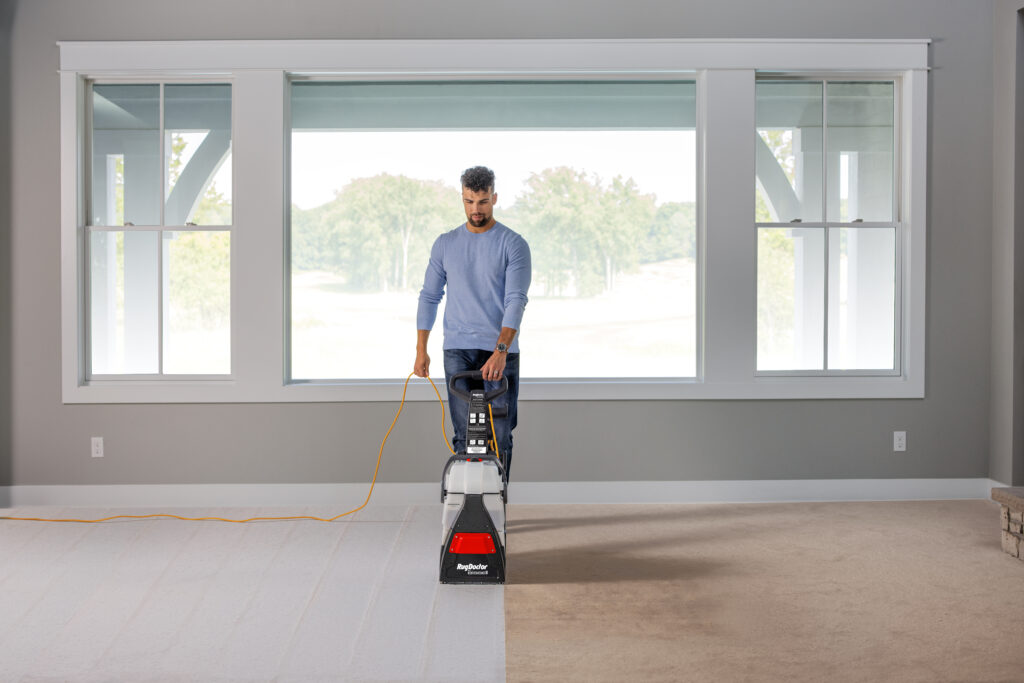
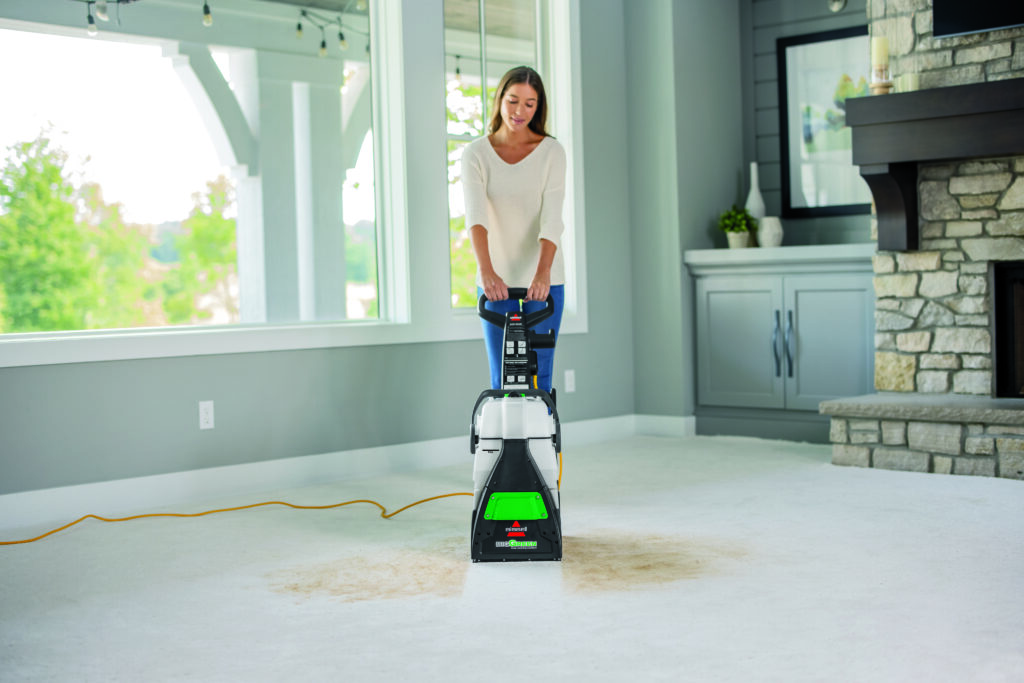
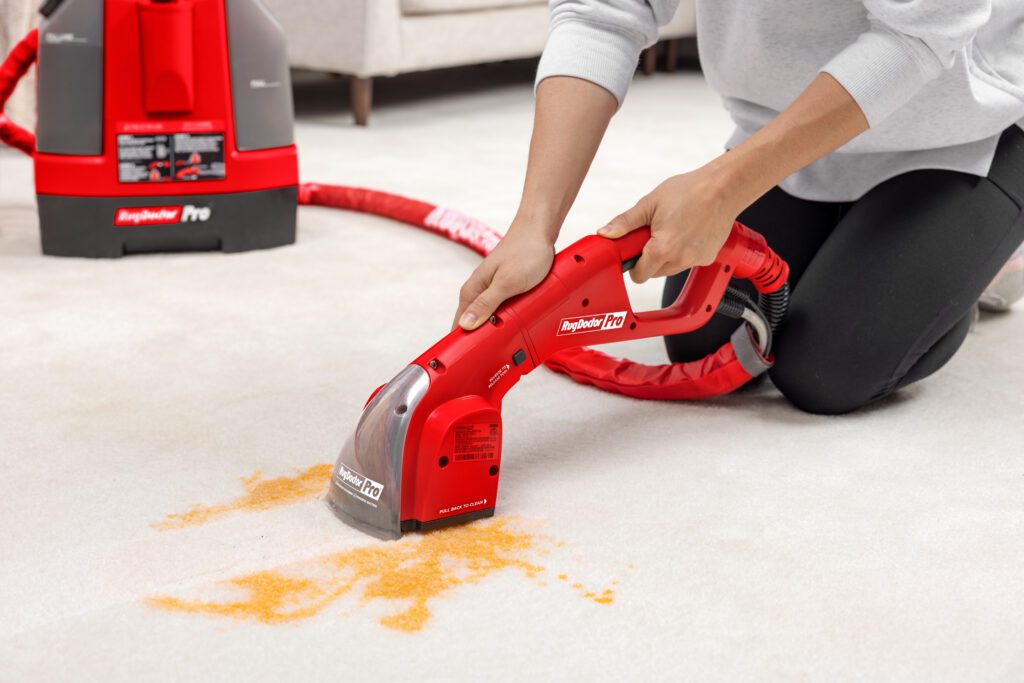
Replacing carpet can be expensive, so before tearing out what you already have, consider giving your carpets a professional level deep clean. Renting a Rug Doctor by BISSELL carpet cleaner can revive tired carpets by lifting embedded dirt, restoring color, and helping bring back that “new carpet” bounce.
Deep cleaning your carpet with a rental machine is also a smart way to save time and money. For a rental fee of just $39.99* for 24 hours, it is well worth trying a deep clean before committing to full replacement. Many homeowners are surprised by how fresh their carpets look afterward.
You can easily locate a Rug Doctor rental machine near you using our rental locator.
*Pricing may vary by location
How To Deep Clean Carpets

2. Choose the Right Carpet Pile for Your Home
Selecting the right carpet pile is one of the most important parts of carpet buying. The pile refers to how the carpet fibers are constructed, and it affects comfort, durability, and maintenance. The two most popular carpet pile options are cut pile and loop pile.
Cut Pile Carpet
Cut pile carpets have fibers that are cut to expose the ends. This is the most common carpet type and is popular for living rooms and bedrooms. Cut pile carpets are typically softer underfoot and provide the classic carpet look and feel.
They come in a wide range of styles, colors, lengths, and thicknesses. When shopping for cut pile carpet, check the level of fiber twist. A tighter twist creates a more durable carpet that stands up better to foot traffic and everyday wear.
Loop Pile Carpet
Loop pile carpets are made with uncut fiber loops. One of the biggest benefits of loop pile carpet is durability. Tighter loops help the carpet bounce back and resist flattening, making this type a great option for high-traffic areas like hallways and stairs.
However, loop pile carpets may not be the best choice if you have pets. Pet claws can catch on the loops, which can cause snagging and damage to the carpet surface.
3. Selecting the Right Carpet Color and Pattern
Choosing the right carpet color and pattern can be more challenging than it seems. With so many options available, it is easy to get distracted. These tips can help you stay focused and choose a carpet that works well in your space.
Go shopping with a general idea of what colors and styles match your home
Take photos of your room, including walls, furniture, and décor, to compare in store
Consider your lifestyle. Light colored carpets may look beautiful, but homes with children or pets may benefit from patterned or flecked designs
Ask if you can take carpet samples home to view them in your lighting and alongside existing furniture
Be sure to feel the carpet pile. Comfort matters as much as appearance
4. Do You Need Carpet Underlay?
If you are buying new carpet, underlay is highly recommended. Carpet underlay provides added comfort, insulation, and sound reduction while also protecting the floor underneath.
More importantly, quality underlay extends the life of your carpet by reducing wear. Over time, underlay helps your carpet maintain its appearance and feel, making it a worthwhile investment.
In many cases, deep cleaning your carpet with a Rug Doctor by BISSELL rental can restore its appearance and delay replacement, saving money.
Loop pile carpets are generally best for high-traffic areas due to their durability and ability to bounce back.
Patterned or flecked carpets help hide dirt and stains better than solid light colors, especially in busy households.